
The Result
The Result
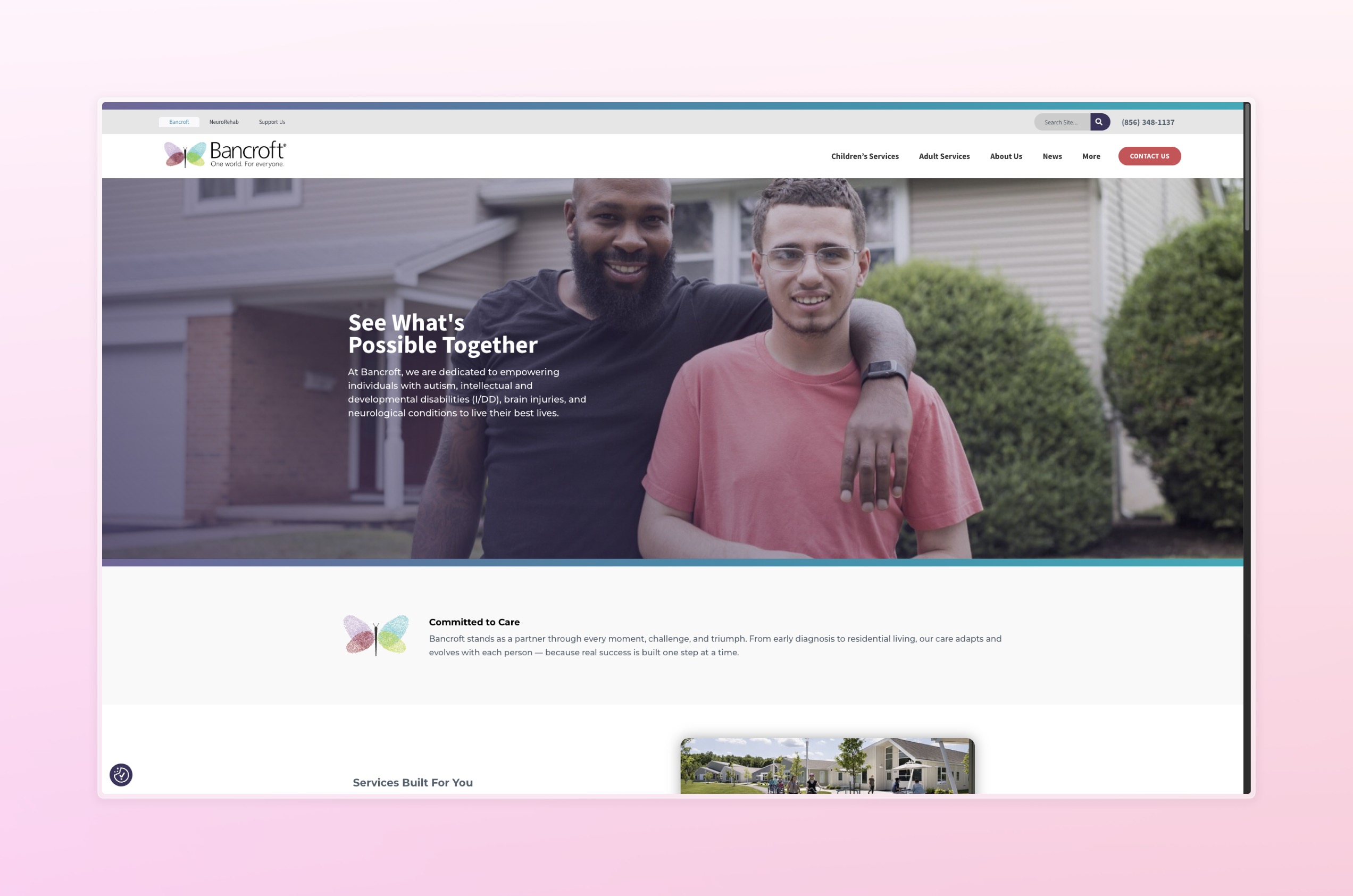
A scalable CMS-driven website structure, improved consistency across dynamically generated pages, reduced manual maintenance for content updates, a more efficient workflow for managing and publishing content, and a foundation that supports future expansion without major rework.
The Problem
The existing setup lacked a scalable CMS structure for dynamic content, consistent design patterns across pages, flexible content relationships between collections, and efficient workflows for updating and managing content.
CMS Architecture
Defined collection types and relationships to support dynamic content rendering. Structured fields to align with reusable templates and established a hierarchy that supports future content expansion without requiring restructuring.
Component System & Dynamic Templates
Created modular components to maintain design consistency while allowing flexibility across page types. Addressed limitations in dynamic tag availability by aligning collections and fields properly.
UX & Content Workflow Optimization
Simplified the editing experience for content managers by reducing dependency on manual page edits and centralizing content in CMS collections.
Reflections
What I Learned
CMS architecture must be defined before visual design begins
On Bancroft, the temptation to start with visual components was real — but the CMS structure had to come first. Collection types, field relationships, and template logic determine what's possible visually.
Dynamic tag limitations are a WordPress-specific constraint worth planning around
Webflow's dynamic tag availability has real boundaries — not every field can be bound to every element in every context.
Reusable components reduce long-term maintenance exponentially
Every time a component was updated globally rather than page-by-page on Bancroft, the time savings compounded.
Scalability planning early prevents technical debt later
The decisions that create technical debt aren't usually the dramatic ones — they're the small structural shortcuts taken under time pressure.