
The Result
The Result
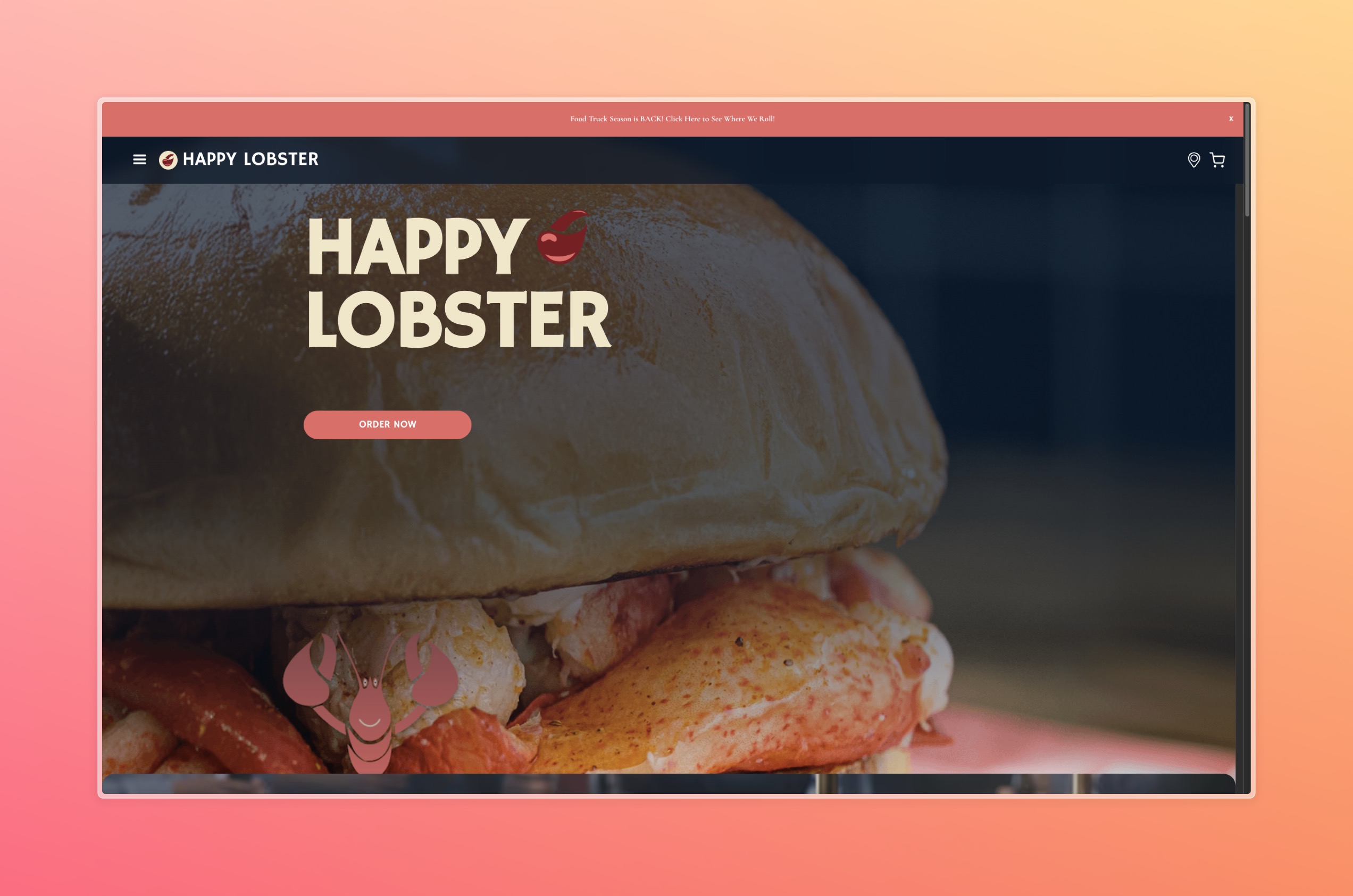
A well-architected, scalable Webflow foundation that enabled the internal team to build confidently, a component system that paid for itself across every subsequent phase, and a technical research process that reframed platform constraints into workable solutions.
Phase 1 — Foundational Sprint
A deliberately scoped 20-hour sprint focused on getting the fundamentals exactly right: a MAST-style component system, global styles covering typography, color, and spacing, core layout components including nav, sections, cards, and CTAs, and a CMS structure designed for future scalability.
Phase 2 — Additional Scope
Global scroll animations built once and applied across pages, a CMS-driven menu page with multi-reference wiring, Square deep linking to filtered category URLs, a 'Where We Roll' locations page built on the Truck Stops CMS collection with featured/non-featured logic and Google Maps links, and QOL fixes across the site.
Technical Research — SMS × Square Integration
Conducted a proper capability audit of Square's SMS and marketing APIs after the client requested a geofenced SMS alert system.
Phase 3 — Headless E-Commerce Proposal
Scoped a full custom headless e-commerce build to replicate the client's Tock ordering experience as a native on-brand flow inside Webflow, routing through Square for payment, fulfillment, and reporting.
Reflections
What I Learned
Capped foundational sprints are the best new client strategy
A 20-hour sprint with clear deliverables is a low-risk entry point for a new client. Executing it well — clean architecture, thorough documentation, disciplined scope — builds more trust than any proposal could.
When a third-party library fights back, the migration cost is usually worth it
The decision to replace fullpage.js with a custom CSS scroll-snap solution took a few hours and eliminated an entire category of future bugs.
Technical research is client service, not a blocking task
Returning to Happy Lobster with 'here's what's actually possible, here's why it achieves the same goal, and here's how it fits what you already have' was more valuable than either a flat no or a silent workaround.
Not every proposal converts, and that's not a failure
The headless e-commerce proposal didn't close, but the process added real value: it forced technical clarity, gave the client a benchmark for evaluating other solutions, and maintained the relationship.