Toolkit
The Result
Build Once, Structure Properly
Instead of treating design, development, and SEO as separate phases, everything is integrated into a single system. Every decision — from layout to CMS structure — is made with scalability, search visibility, and conversion in mind. Build once, structure properly, and let the system scale.
The Problem
Most client websites suffer from the same issues: disconnected design and development processes, poor SEO foundations, and content structures that are difficult to manage or scale.
The Approach
Each website is treated as a system rather than a one-off build. Designed in Figma using structured design systems with tokens, components, and reusable patterns.
Execution
Translated brand direction into clean, modular UI systems in Figma. Built reusable Webflow components to reduce redundancy and improve maintainability.
Tools & Stack
Figma for design systems and UI/UX. Webflow for development, CMS, and hosting.
Results
Faster development cycles due to reusable systems and structured workflows. Improved site performance and cleaner front-end architecture.
Reflections
What I Learned
Systems thinking is the most transferable design skill
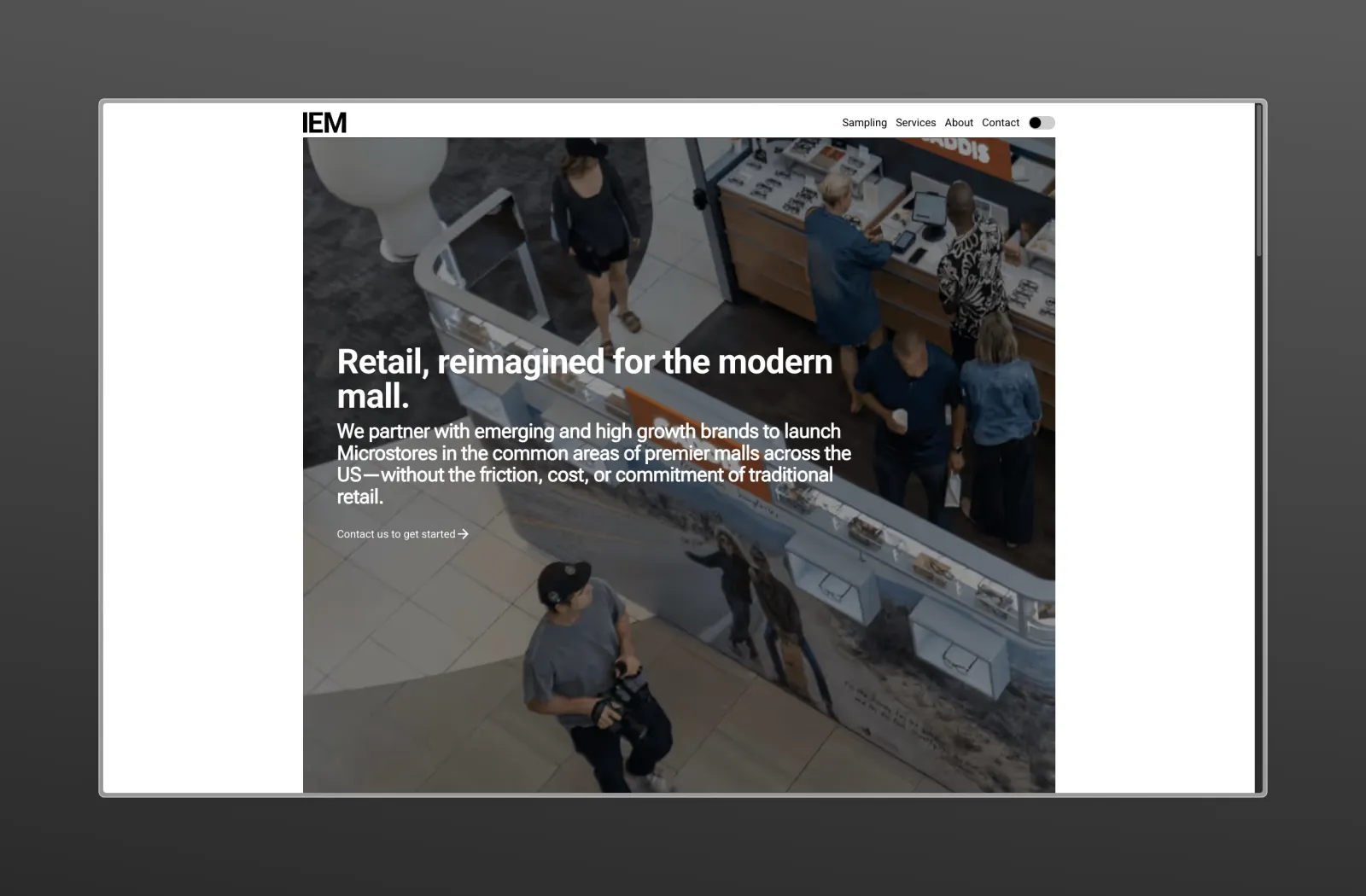
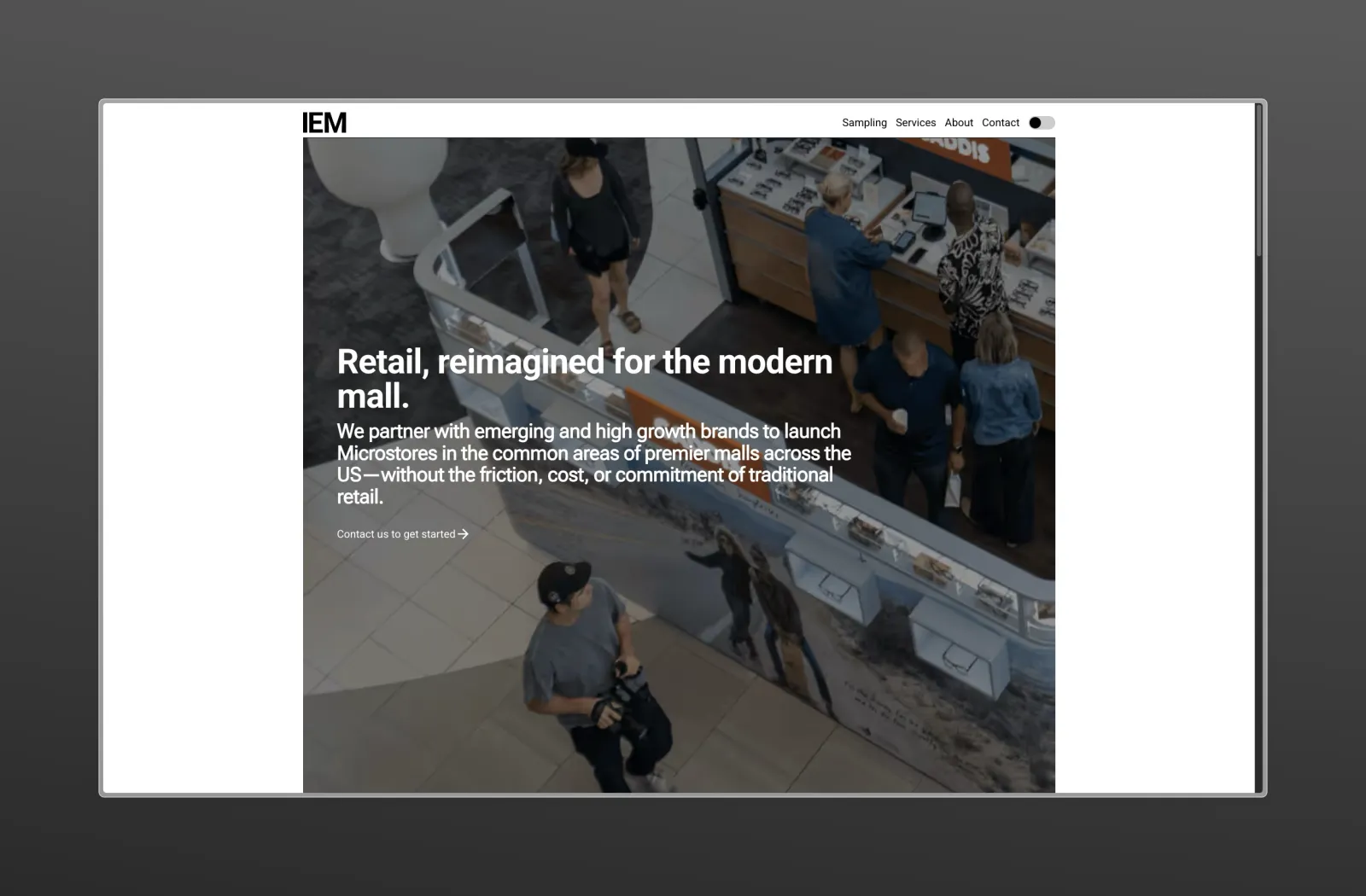
The IEM Media approach — treating every website as a system rather than a one-off build — produced faster delivery, fewer revisions, and more scalable outcomes across every project.
SEO embedded in architecture outperforms SEO added after design
Keyword-aligned page structures, intentional internal linking, and semantic hierarchy can't be bolted on after the fact without restructuring.
CMS-driven builds change the client relationship permanently
When clients can update their own content without a developer, the nature of the engagement shifts from dependency to partnership.
Documentation is a force multiplier
Every system built without documentation eventually becomes a liability. The class naming conventions, spacing rules, and component logic that make a Webflow project maintainable are only useful if they're written down.